
Astrophotography
The Milky Way over the desert, Comet NEOWISE, a filtered sun and two moons.
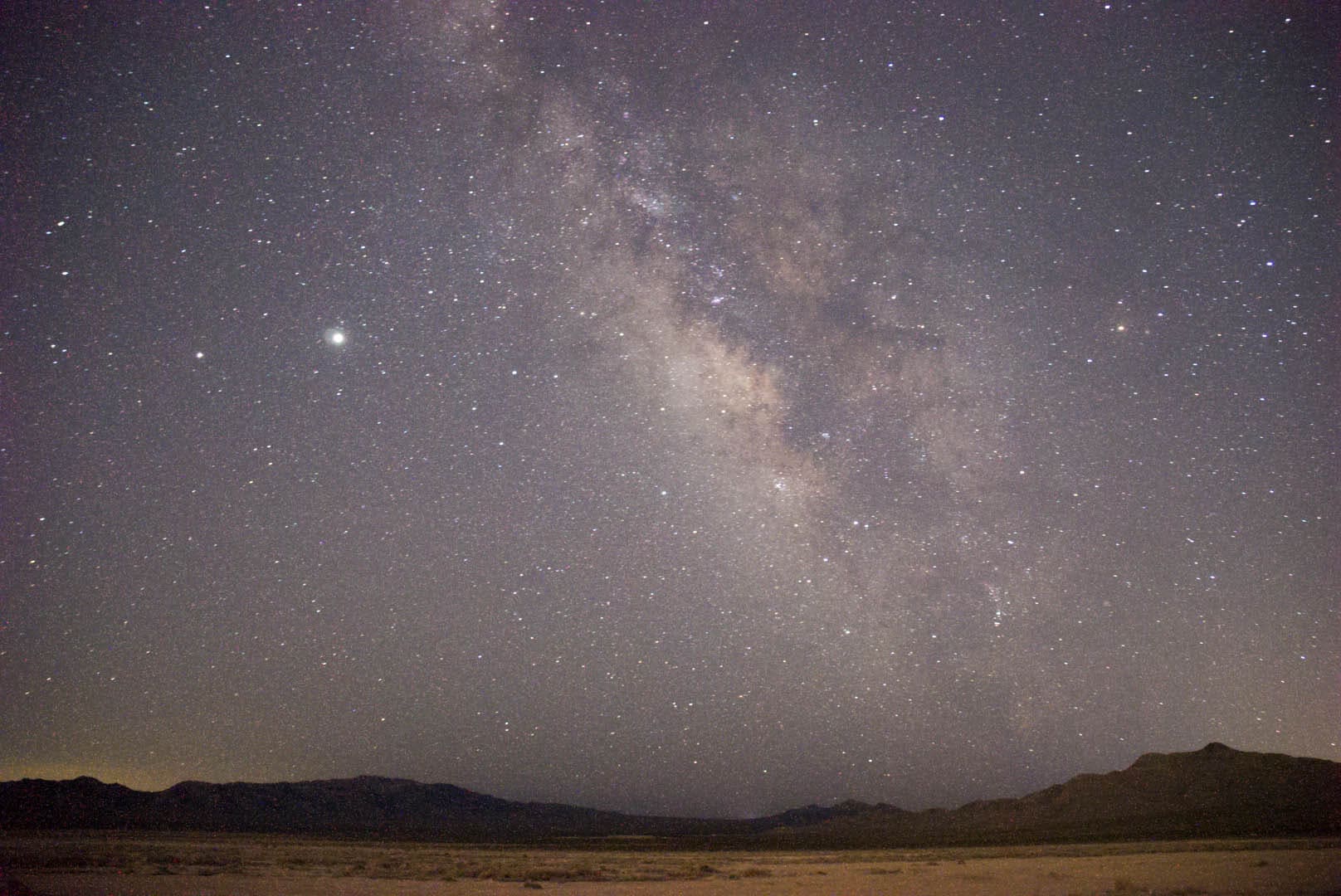
Milky Way Over the Desert Floor
About
About this collection
Getting away from the city lights is the first step; the rest is long exposures, a steady tripod and warm clothes. This set has the Milky Way over the desert, a comet passing through, and the moon at a couple of phases through a long lens.
Camera settings across this collection: Sony a6500 · 18–210 mm · f/3.5–18 · 1/800–30 s · ISO 100–6400
5 frames
Photographs
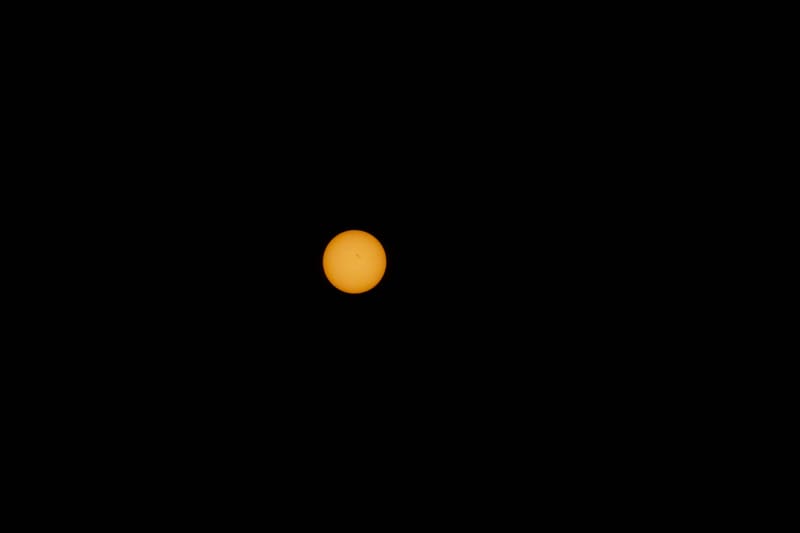
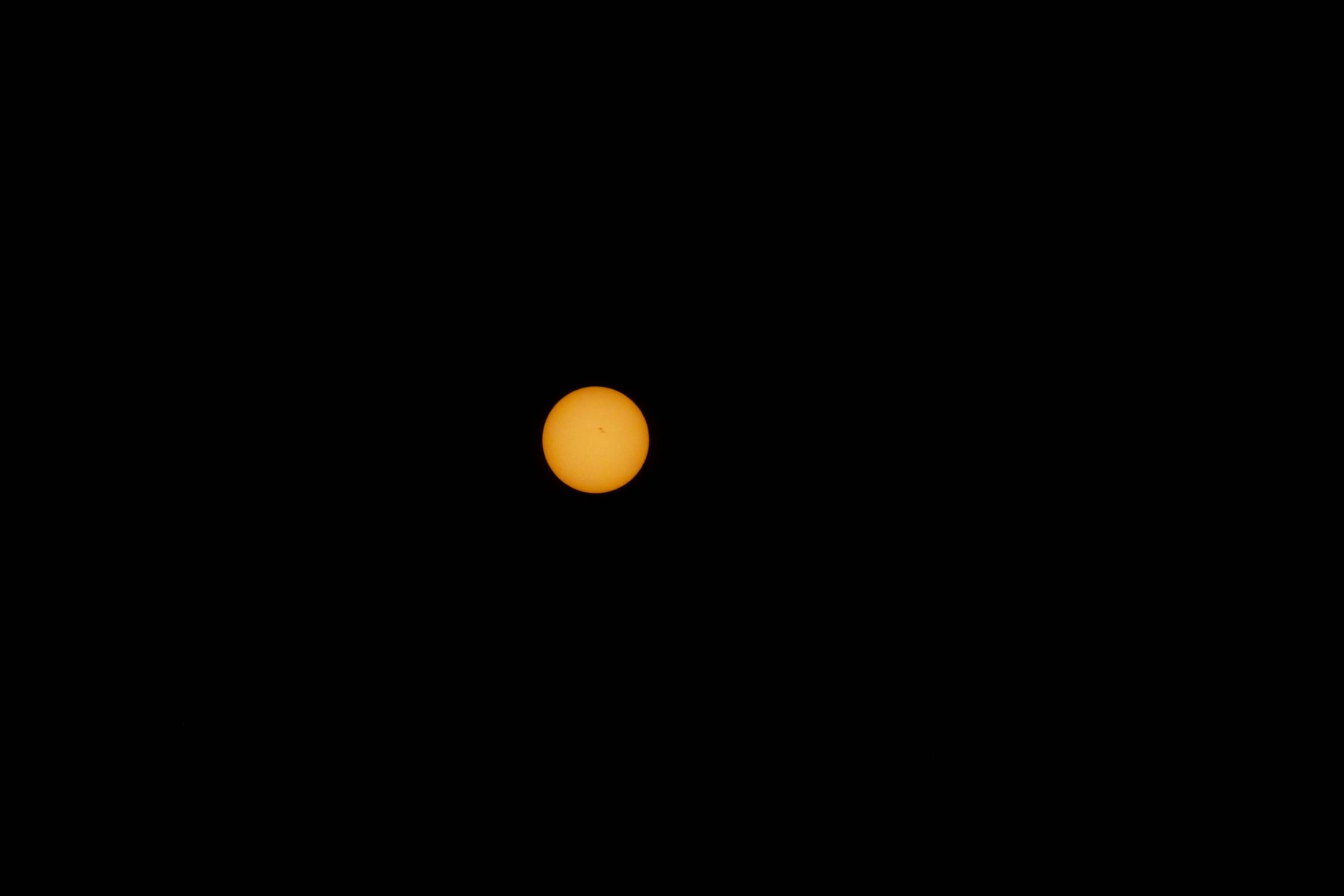
Sony a6500 · 210mm · f/18 · 1/800s · ISO 6400The Sun Through a Solar Filter 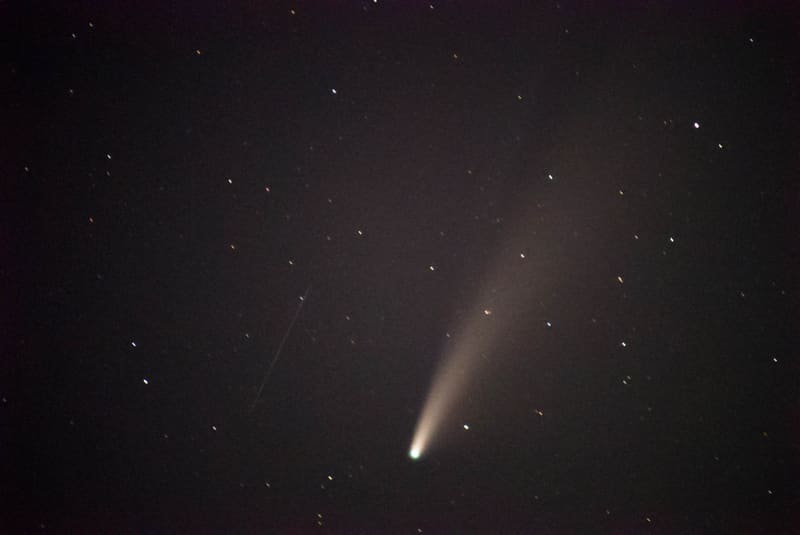
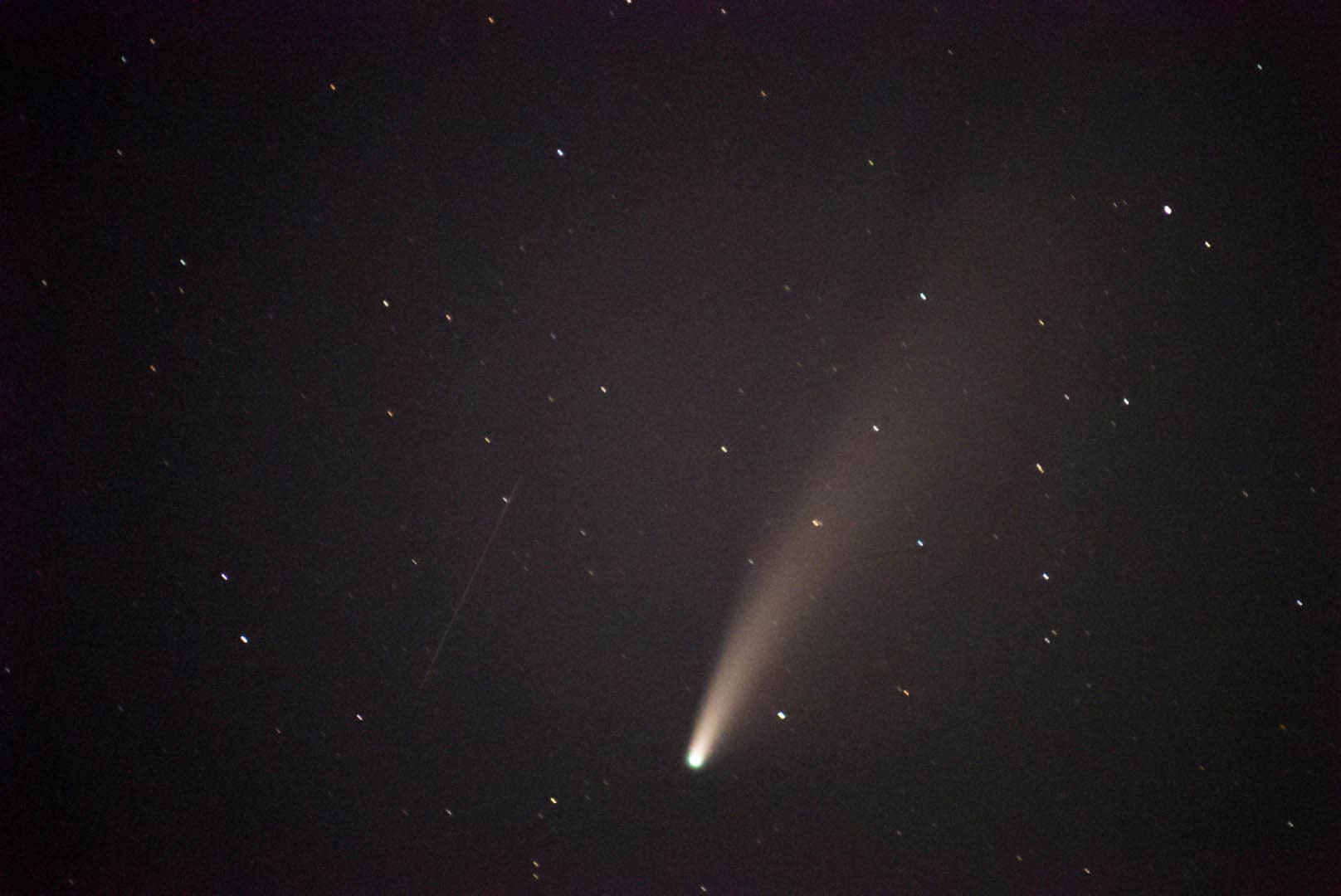
Sony a6500 · 210mm · f/6.3 · 10s · ISO 4000Comet NEOWISE and Its Dust Tail 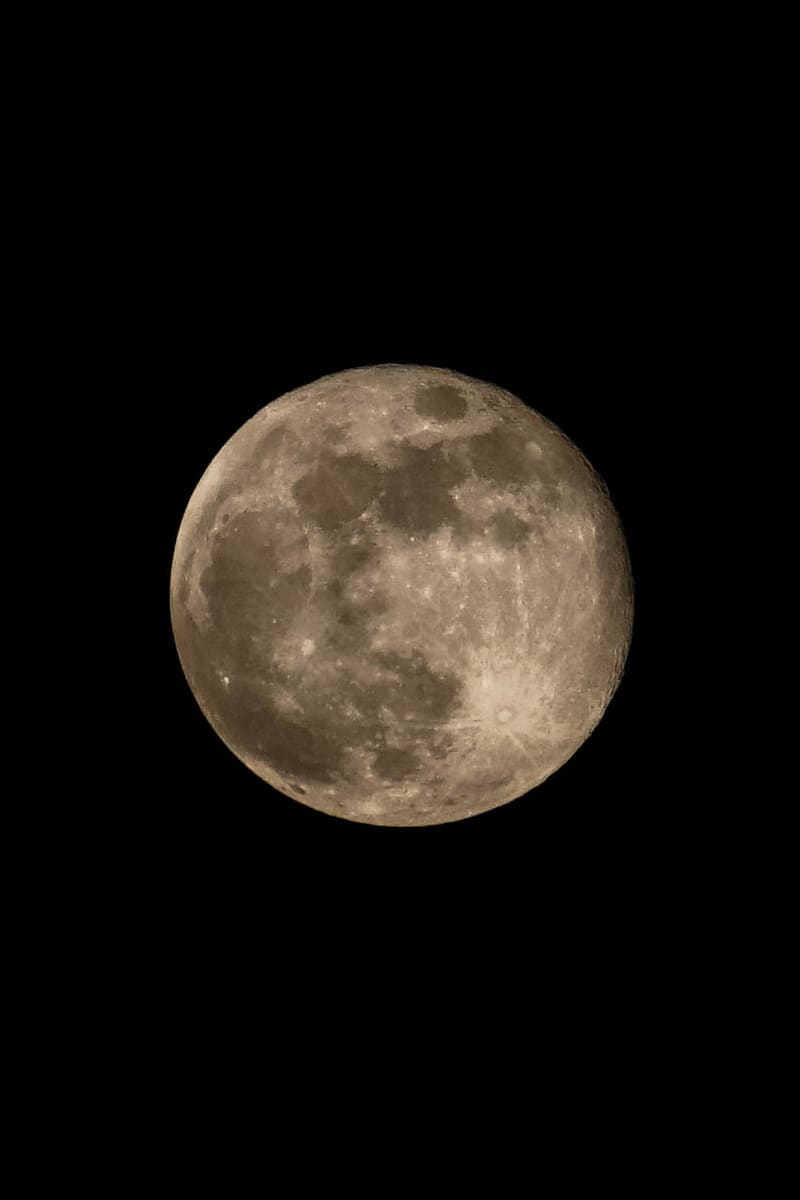
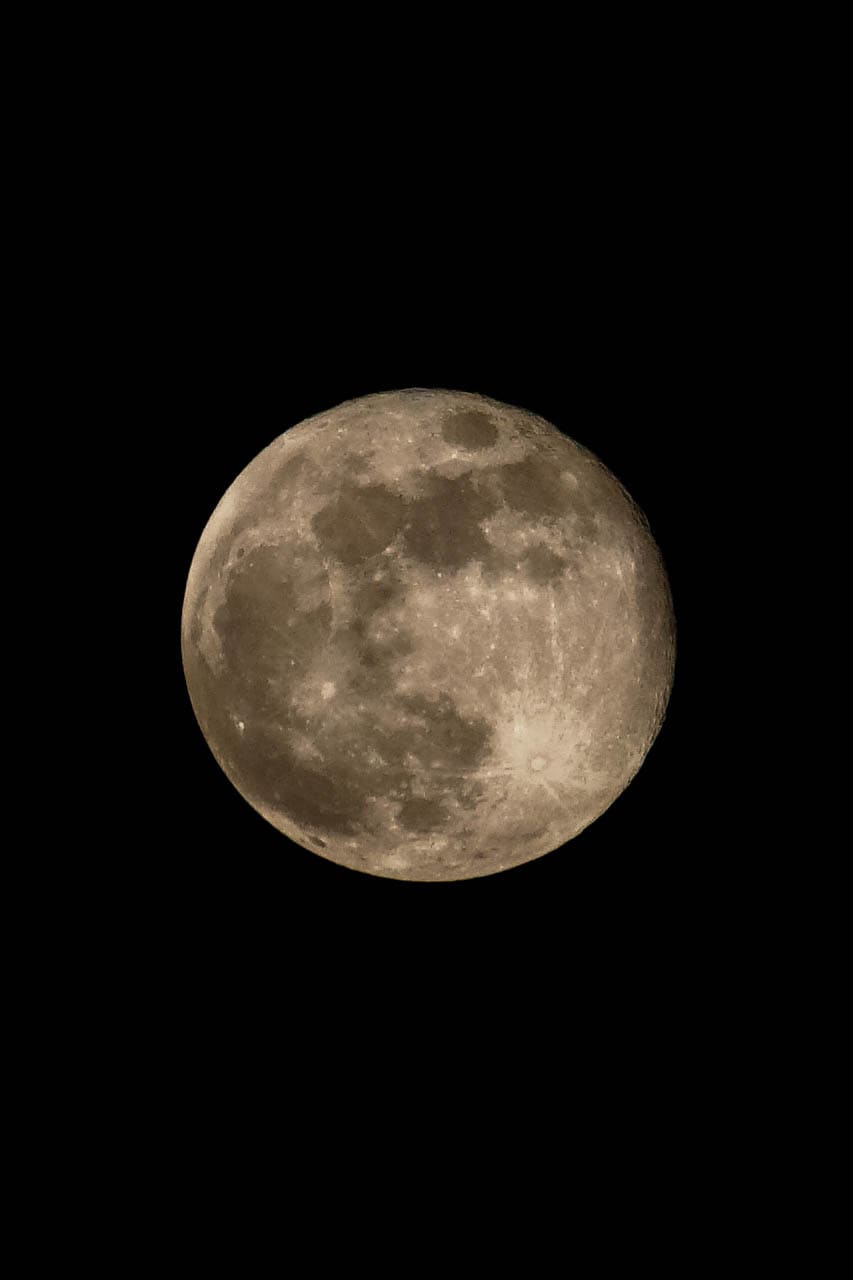
Sony a6500 · 210mm · f/6.3 · 1/800s · ISO 400Golden Full Moon Against Black 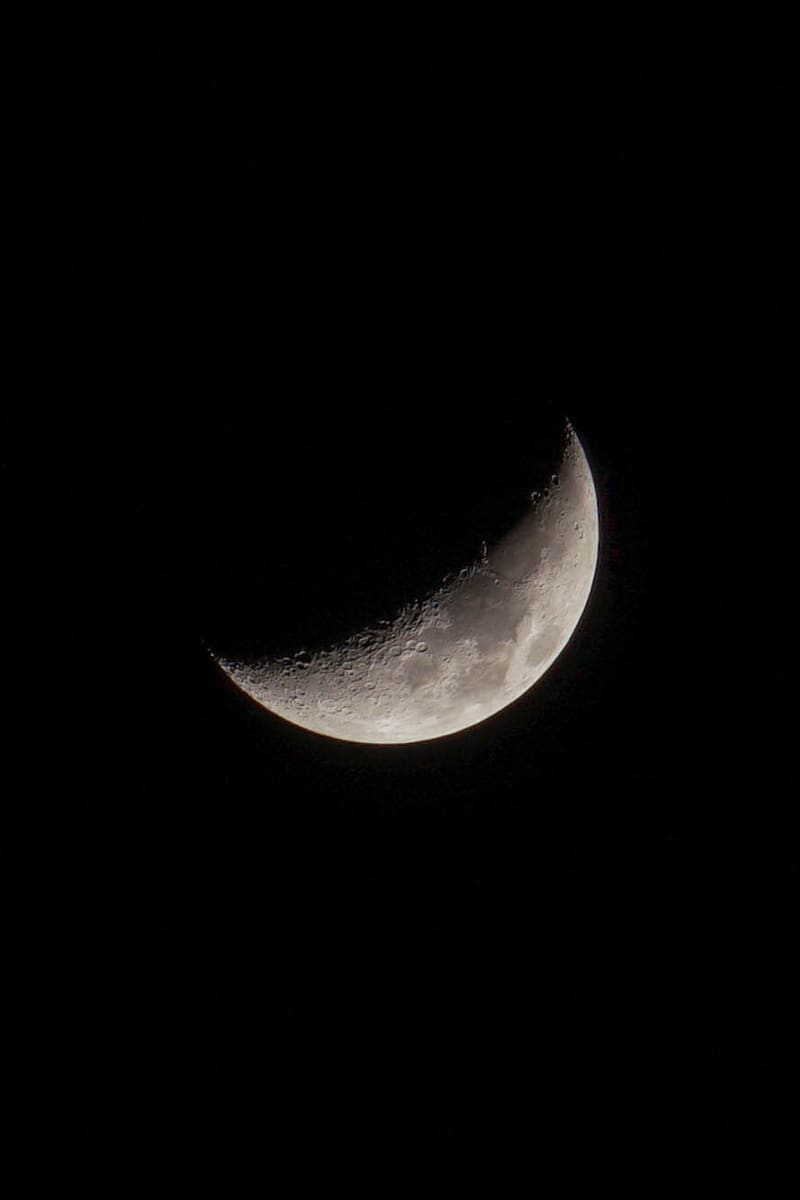
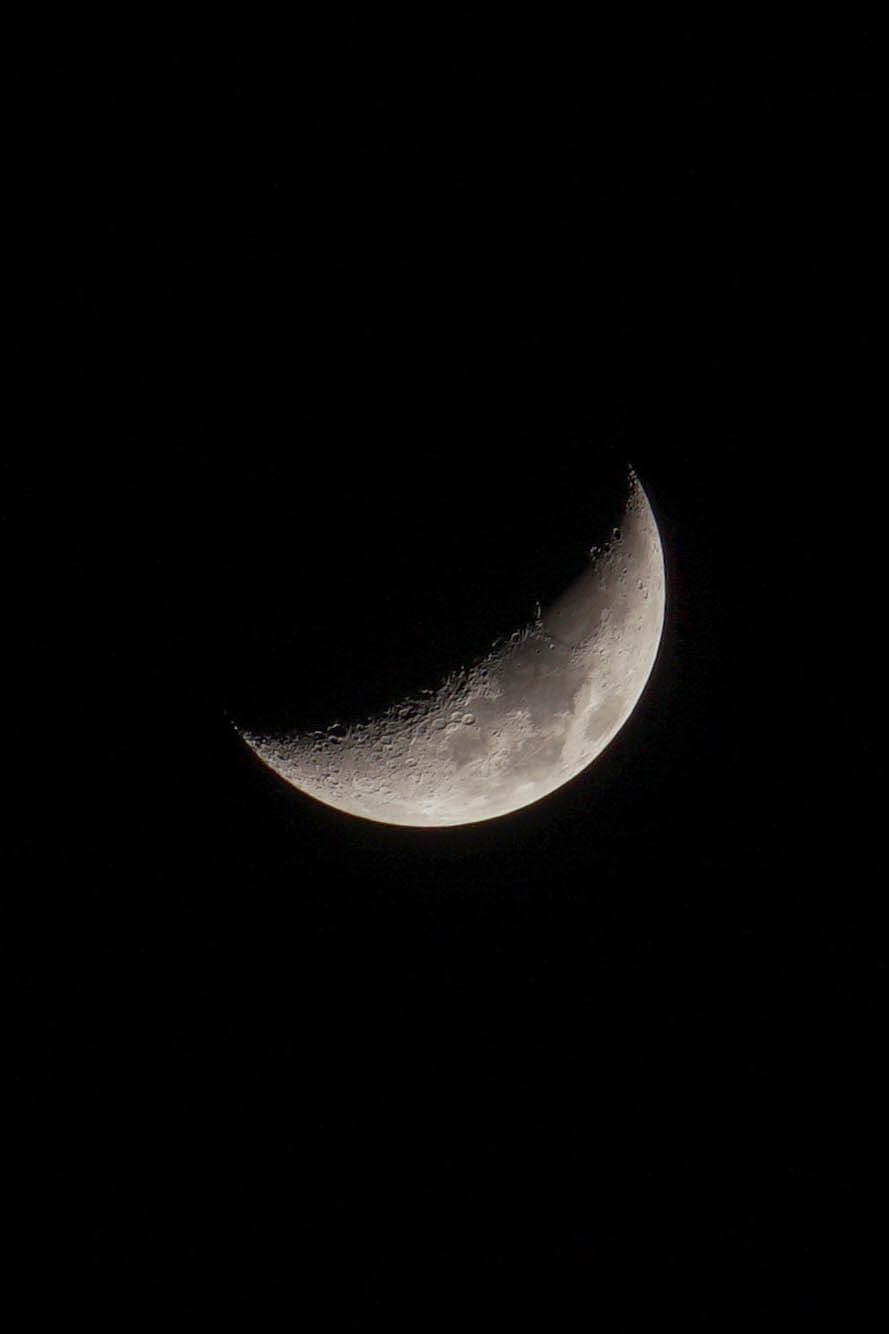
Sony a6500 · 210mm · f/11 · 1/20s · ISO 100Crescent Moon Along the Terminator
Click or tap a photograph to view it large. Arrow keys move between them; Escape closes.
Captions
Notes on the photographs
- Milky Way Over the Desert Floor
Thirty seconds at 18mm, f/3.5 and ISO 3200 pulled the galactic core out of a dark desert sky. Even out here, a faint orange glow, probably distant city light, still creeps in along the horizon.
- The Sun Through a Solar Filter
The sun through a solar filter on my a6500 at 210mm, 1/800s at f/18. Look closely and there's a small sunspot showing on the disc.
- Comet NEOWISE and Its Dust Tail
Comet NEOWISE at 210mm on the a6500, a 10-second exposure at f/6.3 and ISO 4000. The thin streak on the left is something else crossing the frame during the exposure, probably a satellite or a faint meteor.
- Golden Full Moon Against Black
A full moon at 210mm, 1/800s at f/6.3 and ISO 400. The moon is bright enough that you end up shooting it at almost daytime settings to keep the craters from blowing out.
- Crescent Moon Along the Terminator
The crescent moon at 210mm, 1/20s at f/11 and ISO 100. The terminator, where the sunlit side meets the shadow, is where all the crater detail lives, which is why a crescent often shows more texture than a full moon.